Key takeaways
- Start with your goals and a realistic timeline: most moves need several months of preparation, with the groundwork starting 6–12 months before departure.
- Choose your legal pathway early. From outside the EU the most common routes are the D7 (passive income), D8 (remote work) and D2 (business).
- Documents may need to be recently issued, officially translated, apostilled or legalized, so gather them early and keep digital and physical copies.
- Budget beyond monthly living costs (fees, translations, deposits, temporary housing, shipping) and keep an emergency fund for your first months.
- Consider temporary accommodation first: it lets you test an area, and Portuguese landlords may ask for documentation, deposits or guarantees.
Once you have decided that Portugal is where you want to live, you will probably have a lot of practical questions.
What should you do first? Which visa do you need? What documents should you prepare? When should you look for a home? How much money should you have ready? And what actually needs to be done before you get on the plane?
The good news is that you do not need to figure everything out at once.
A move to another country becomes much easier when you understand the process and take it one step at a time. This guide takes you through the main steps, from the moment you decide to move to Portugal through your first days after arrival.
Moving to Portugal Checklist
Use this checklist to keep track. Each item is explained in the steps below.
6 to 12 months before you move
- Choose your visa route: the D7 for passive income (from €920 a month in 2026), the D8 for remote work (from €3,680 a month) or the D2 for entrepreneurs.
- Get your Portuguese tax number (NIF). You need it for a lease, a bank account and your visa file. See how to get a NIF.
- Open a Portuguese bank account for rent and bills, and check whether your consulate wants your savings held in Portugal or in your home bank. Requirements differ between consulates; see opening a bank account in Portugal.
- Order your criminal record check: an FBI Identity History Summary apostilled by the US Department of State, or an RCMP check for Canadians.
- Start apostilles and certified translations for birth and marriage certificates and other civil documents.
- Decide which region suits you. Our Porto vs Algarve guide compares the two most popular choices.
3 to 6 months before
- Secure accommodation for your visa: usually a lease of at least 12 months, or a property deed if you are buying.
- Buy health insurance that covers you in Portugal.
- Gather proof of income: pension letters, investment statements, an employment contract or client contracts.
- Book your appointment with the Portuguese consulate or visa center that covers your state or province.
- If you have pets, start the paperwork early: a microchip, a rabies vaccination and an official EU health certificate.
- Get quotes for shipping belongings and decide what to sell, store or bring.
The final month
- Plan your flight within your visa’s 120-day entry window, in time for your AIMA appointment.
- Pack original documents and apostilles in your hand luggage.
- Arrange a furnished short-term stay if your long-term home isn’t ready.
- Tell your US or Canadian bank, card providers and tax preparer about the move. Canadians should plan their non-resident status and departure tax; see our Canada guide.
Your first weeks in Portugal
- Attend your AIMA appointment to collect your residence permit.
- Update your NIF address to Portugal with the tax office (Finanças).
- Register with your local public health center for an SNS number.
- Check how to exchange your driving license with IMT, Portugal’s licensing authority, before your foreign license stops being valid.
- Set up utilities, internet and a Portuguese phone number.
- Keep filing your home-country taxes as required. Americans file US returns wherever they live; see our tax and compliance page.
You Have Decided. Now It Is Time to Move.
Choosing to move to Portugal is the first major step. You have explored the lifestyle, considered your options, and decided that Portugal could be the right place for your next chapter.
Now the journey changes.
The DECIDE stage was about questions such as:
- Is Portugal the right country for me?
- Which city or region fits my lifestyle?
- Can I see myself building a life there?
- What would everyday life in Portugal look like?
The MOVE stage is about turning that decision into action:
- Which visa or residency pathway should I follow?
- What documents do I need?
- How should I prepare my finances?
- When should I start looking for housing?
- What do I need to organize before I leave?
- What should I do when I arrive?
You do not need to solve all of these questions today. The important thing is knowing what comes next.
This guide takes you through the main steps between deciding to move and getting ready to leave.
Step 1: Set Your Moving Goals and Timeline
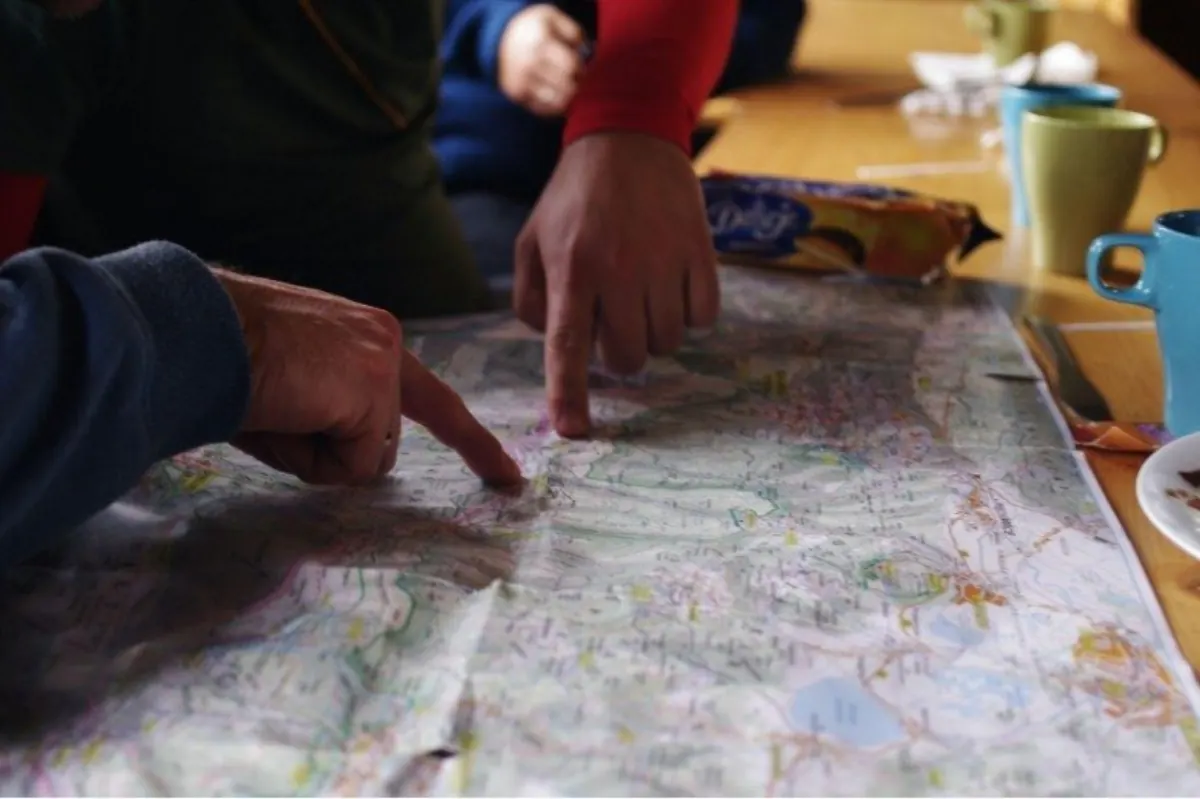
Before getting into paperwork, take a moment to define what your move actually looks like.
People move to Portugal for many different reasons. You may be retiring, working remotely, starting a business, moving with your family, or simply looking for a different way of life.
Your reason for moving will influence many of the decisions that follow.
Start with a few basic questions:
- When would you ideally like to move?
- Are you planning to move permanently or try Portugal first?
- Will you work, retire, study, or start a business?
- Are you moving alone or with your family?
- Do you already know which part of Portugal you want to live in?
- What needs to happen in your current country before you leave?
You do not need to have every answer yet. But having a general direction will make the next steps much easier.
Give yourself enough time
A successful international move rarely happens overnight. A realistic timeline helps you avoid making decisions based on pressure or emotion.
For many people, the process includes:
- Research and planning
- Residency preparation
- Financial organization
- Housing research
- Moving arrangements
- Arrival preparation
Depending on your circumstances, you may need several months to prepare. Starting early gives you time to handle unexpected challenges and make confident decisions.
Step 2: Choose the Right Visa or Residency Path
For most people moving to Portugal from outside the EU, understanding your legal pathway is one of the first major decisions.
Portugal offers different visa and residency options depending on your personal situation. The right option will depend on factors such as your income, employment status, retirement plans, business goals, family situation, and long-term plans in Portugal.
Some of the pathways commonly considered by newcomers include:
- D7 Visa (Passive Income Visa): For people with stable, regular income from sources such as pensions, investments, rental income, or other qualifying income.
- D8 Visa (Digital Nomad / Remote Work Visa): For remote workers, freelancers, or business owners who earn income remotely.
- D2 Visa (Entrepreneur / Business Visa): For individuals planning to start or invest in a business, or develop a professional project in Portugal.
These are some of the most common pathways, but Portugal has other visa and residency options for different situations, including employment, study, family, and other specific circumstances.
Your situation is unique. Understanding the right pathway early helps you prepare the correct documents, create a realistic timeline, and avoid unnecessary delays. Tell us about your situation, and we can help guide you toward the visa option that may best fit your needs.
Step 3: Build Your Relocation Timeline
Once you understand your residency path, it’s time to create a practical relocation timeline. Breaking the process into stages can make the move feel much more manageable. And remember, you don’t have to figure everything out on your own. We can support and guide you through every step of your relocation journey.
6 to 12 months before moving
Depending on your situation, this is a good time to:
- Research your residency pathway
- Start collecting documents
- Review your finances
- Decide what you will bring with you
- Research housing
- Start learning basic Portuguese
- Make a rough moving budget
3 to 6 months before moving
You may be:
- Completing your visa process
- Organizing accommodation
- Making travel arrangements
- Preparing your belongings
- Arranging international shipping if necessary
- Planning how you will access your money after arrival
The final month
Focus on the practical details:
- Confirm your travel plans
- Organize important documents
- Make digital and physical copies of key paperwork
- Finalize accommodation
- Pack
- Cancel or transfer services
- Make sure you can access your bank accounts from abroad
Your timeline gives you a clear structure to work from. We can help you understand what needs to happen, when it needs to happen, and guide you through each stage so you can move forward with a clear idea of what to expect.
Step 4: Gather and Prepare Your Documents
Paperwork may not be the most exciting part of moving abroad, but it is one of the most important.
The documents you need will depend on your personal circumstances and your chosen visa or residency pathway. Some may also need to meet specific requirements, such as being recently issued, officially translated, apostilled, or legalized.
Starting early gives you time to identify what is required and avoid unnecessary delays. Keeping everything organized and securely stored, both digitally and physically, will also make the process much easier.
We can help you understand what documents are needed for your situation, how to prepare them, and what steps to take next.
Step 5: Plan Your Moving Budget
Moving itself can be expensive, especially during the first few months. Your budget should include more than your expected monthly living costs.
Consider costs such as:
- Visa and application fees
- Document preparation and translations
- Flights
- Temporary accommodation
- Rental deposits
- Moving or shipping costs
- Insurance
- Transportation
- Initial household expenses
- Professional or administrative services, if needed
It is also a good idea to keep an emergency fund available after you arrive.
Your first few months may include expenses you did not anticipate. You may need to stay in temporary accommodation longer than expected, buy things for your new home, or travel between appointments.
Having extra money set aside gives you more flexibility while you settle in.
Step 6: Organize Your Banking and Money
Before leaving your current country, make sure you have a practical plan for accessing your money in Portugal.
Think about:
- Which accounts you will keep
- How you will transfer money internationally
- Currency exchange
- International transaction fees
- Access to your cards abroad
- When you may need a Portuguese bank account
A Portuguese bank account can become useful for everyday life and local payments, but the timing and requirements will depend on your circumstances.
You will also want to understand how your move could affect your tax situation. Moving countries can have tax consequences both in Portugal and in your country of origin, so professional advice may be worthwhile for more complex situations.
Step 7: Decide What You Are Taking With You
Moving to another country is a good opportunity to take a hard look at what you actually need. Before arranging shipping, go through your belongings and divide them into a few simple categories:
- Bring: Things you genuinely need or cannot easily replace.
- Ship: Larger or valuable items that make sense to transport.
- Sell or donate: Things that are expensive or inconvenient to move.
- Store: Items you are not ready to part with but do not need immediately.
Do not underestimate the value of arriving with less.
Portugal has stores and services where you can buy many of the things you need once you are settled. Trying to bring your entire previous life with you can make the move more complicated and expensive.
If you are moving with pets, start planning early. Pet relocation involves its own documentation and travel requirements.
Step 8: Find Your First Home
Housing is one of the biggest practical questions for anyone moving to Portugal.
You may already know where you want to live from your DECIDE stage. Now it is time to turn that preference into a housing strategy.
You will need to think about:
- Your monthly budget
- Long-term rental versus temporary accommodation
- Location
- Transportation
- Schools, if you have children
- Access to healthcare and other services
- What you need from your neighborhood
Consider starting with temporary accommodation
For some newcomers, renting a short-term place first can make the transition easier. It gives you time to experience the area in person before committing to a long-term rental.
This can be especially useful if you have never lived in Portugal before.
The Portuguese rental market can also work differently from what you are used to, and landlords may ask for documentation, deposits, or guarantees.
Understanding the local process before you start signing contracts can help you avoid unnecessary problems.
Step 9: Prepare for Your Departure
As your moving date approaches, your focus shifts from planning to execution.
Create a list of everything that needs to happen before you leave your current home.
This may include:
- Ending or transferring your lease
- Canceling utilities
- Updating your address
- Arranging mail forwarding
- Closing or transferring local accounts
- Organizing healthcare records
- Managing insurance
- Selling or donating belongings
- Confirming pet arrangements
- Making copies of important documents
- Confirming flights and accommodation
The final days can feel exciting, emotional, and sometimes overwhelming. Remember that you don’t have to do everything alone. We are here to guide you through the process and help make your move to Portugal as smooth and stress-free as possible.
We wish you a safe journey and a wonderful start to your life in Portugal.
Have a safe trip – Boa viagem!
Welcome to Portugal – Bem-vindo a Portugal!
Moving from Canada? The visas are the same, but departure tax, provincial health cover, CPP, OAS and RRSPs need their own plan. Read our guide to moving to Portugal from Canada.
Frequently Asked Questions
What is the first step when moving to Portugal?
Define your moving goals and timeline: when you want to move, whether the move is permanent, whether you will work, retire, study or start a business, who is moving with you and which part of Portugal appeals to you. Your reason for moving shapes the decisions that follow, including your visa.
How far in advance should I start planning a move to Portugal?
Depending on your circumstances, you may need several months. A practical plan is to research your residency pathway, start collecting documents and review your finances 6 to 12 months before moving; complete your visa process, organize accommodation and arrange shipping 3 to 6 months before; and use the final month to confirm travel, organize documents, pack and check you can access your bank accounts from abroad.
Which visa do I need to move to Portugal from outside the EU?
It depends on your income, employment status, retirement plans, business goals and family situation. The most common routes are the D7 for stable passive income, the D8 for remote workers and freelancers, and the D2 for entrepreneurs. Portugal also has routes for employment, study and family reunification.
What costs should I budget for when moving to Portugal?
Beyond monthly living costs, budget for visa and application fees, document preparation and translations, flights, temporary accommodation, rental deposits, moving or shipping, insurance, transportation, initial household expenses and any professional services you use. Keep an emergency fund too, because the first months often bring unexpected costs.
Should I rent temporary accommodation when I first arrive in Portugal?
For many newcomers, yes. A short-term rental gives you time to experience an area in person before committing to a long-term lease, which is especially useful if you have never lived in Portugal. Landlords may ask for documentation, deposits or guarantees, so understand the local process before you sign.
Should I ship my belongings to Portugal?
Sort everything into four groups: bring, ship, sell or donate, and store. Ship only larger or valuable items that make sense to transport; you can buy most everyday things once you are settled, and arriving with less makes the move simpler and cheaper. If you are moving with pets, start their paperwork early.
Sources & official references
Figures and rules on this page are checked against these primary sources. Page last updated .
- National visas: types of visa Portuguese Ministry of Foreign Affairs (Portal Diplomático)
- Residency visa for retirement purposes or people living on passive income: requirements (USA) VFS Global for the Consulates of Portugal in the US
- Residency visa for a professional activity done remotely (digital nomads): requirements (USA) VFS Global for the Consulates of Portugal in the US
- Apply for your NIF (tax identification number) Portal das Finanças, Portuguese Tax and Customs Authority
- Residence permits, appointments and renewals AIMA, Agency for Integration, Migration and Asylum
- US citizens and resident aliens abroad Internal Revenue Service (IRS)
- National Health Service (SNS) Serviço Nacional de Saúde

Luiza Carneiro, Relocation Educator
Luiza is a relocation educator and communication professional who has relocated internationally herself. She researches and writes the Relocate360 Education Hub guides, helping people decide whether Portugal is right for them and prepare for every stage of the move.
Immigration rules, visa thresholds, tax law and costs change. This guide is general information for education, not legal, tax or immigration advice. Confirm current requirements with official sources or a qualified professional before you act. Last reviewed November 5, 2026.