Key takeaways
- Anxiety about moving abroad is normal: fear and excitement often appear together with any major life decision.
- Helpful anxiety points to preparation, such as researching healthcare, visa requirements, your budget or basic Portuguese.
- Unhelpful anxiety stays vague (“What if everything goes wrong?”). Turn it into a specific question you can actually research.
- Social media shows either paradise or endless bureaucracy. Neither is the full picture, so decide on balanced information.
- You don’t need every answer before you decide, just enough information to make a decision that feels right for you.
One moment you’re imagining weekend walks through Porto. The next you’re wondering if you’re making the biggest mistake of your life.
If you’re experiencing anxiety about moving abroad, you’re not alone. Relocating to another country is a major decision, and uncertainty can bring excitement and plenty of questions.
Moving abroad is often described as one of life’s greatest adventures. It’s a chance to experience a new culture, different lifestyle, and open the door to opportunities that may not exist at home. Yet alongside the excitement, many people experience anxiety.
Relocating to a new country brings a lot of uncertainty, and that uncertainty can trigger fear, self-doubt, and plenty of “what if?” questions.
The important thing to remember is that feeling anxious means you’re making an important decision.
When Moving Abroad Feels Exciting and Scary
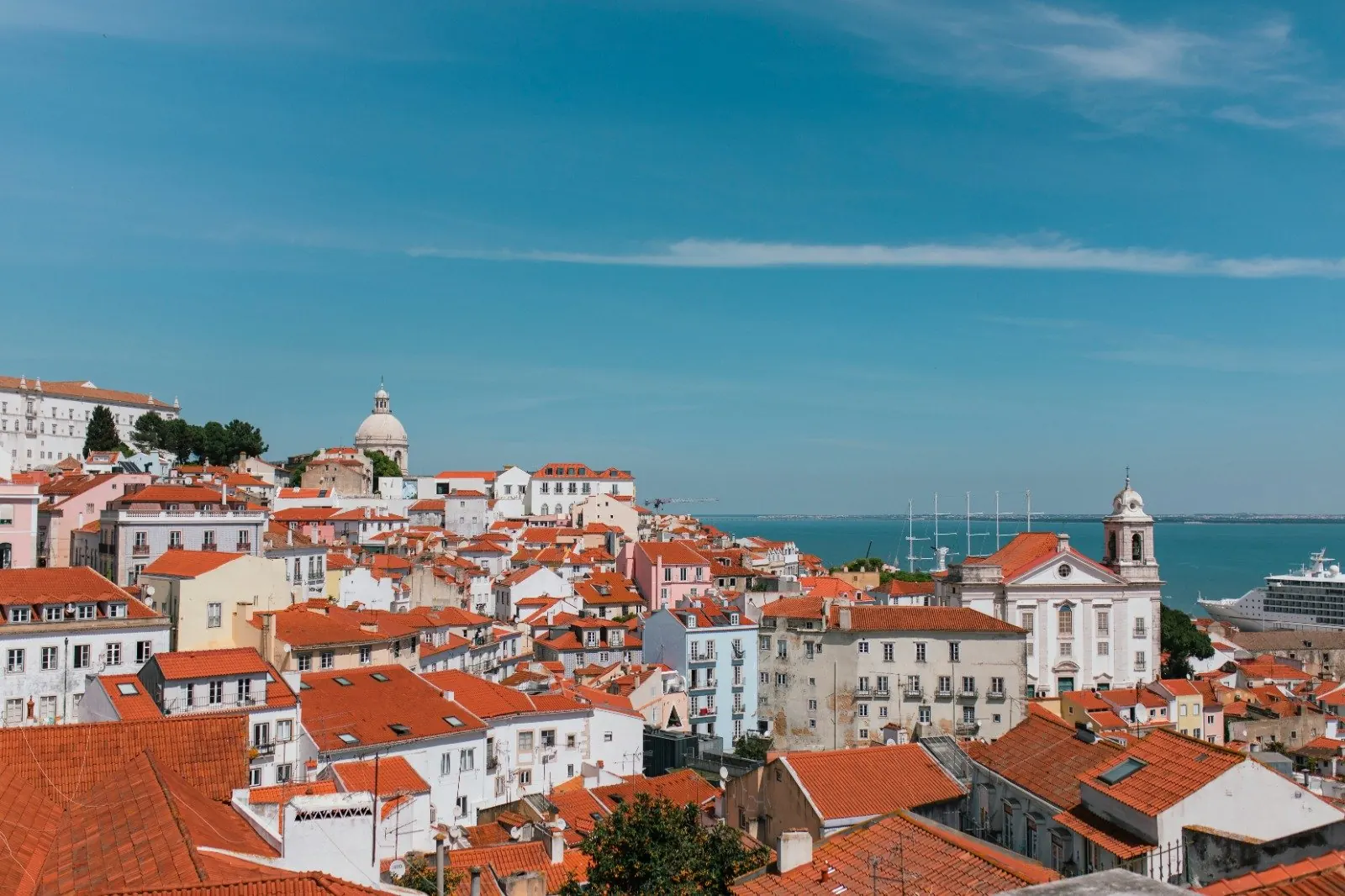
Perhaps you’ve imagined yourself strolling through the streets of Porto or Lisbon, enjoying a slower pace of life, discovering local cafés, and embracing a fresh start. Then, almost without warning, your thoughts shift.
- What if I can’t make friends?
- What if I miss my family more than I expect?
- What if I can’t adapt?
- What if I spend all this money and regret moving?
These are the kinds of questions that can come up when you’re considering a major move. When we face something unfamiliar, our minds naturally begin searching for possible risks, and it can make exciting opportunities feel far more dangerous than they really are.
Why Moving Abroad Can Cause Anxiety
You may be leaving behind familiar routines, close relationships, favourite places, your professional identity, and the comfort of knowing how things work.
At the same time, you’re stepping into a future that hasn’t fully taken shape yet. Everyday activities such as visiting a doctor, opening a bank account, or shopping for groceries may feel unfamiliar when you arrive.
Familiar routines can make daily life feel predictable. Thinking about changing those routines can understandably leave you feeling uncertain or overwhelmed.
When Anxiety Is Telling You to Prepare
One of the most common misconceptions about moving abroad is that if it’s the right decision, you shouldn’t feel afraid. In reality, fear and excitement often appear together.
Think about other major milestones in life. Starting a new career, getting married, becoming a parent, or launching a business all involve uncertainty. These major milestones can create moments of doubt. Relocation is no different.
Sometimes anxiety is pointing towards practical preparation. Other times, it’s simply reacting to uncertainty. Knowing which concerns need action and which ones are driven by uncertainty can make the planning process easier.
When Anxiety Starts Creating Worst-Case Scenarios
Not all anxiety deserves the same attention.
Helpful anxiety encourages preparation. For example, to research healthcare, understand visa requirements, create a realistic budget, or learn some basic Portuguese before arriving. These concerns lead to action.
Unhelpful anxiety, however, often stays vague.
“What if everything goes wrong?”
“What if I fail?”
“What if I never feel happy again?”
Questions like these rarely have clear answers because they aren’t based on specific situations. They simply encourage your mind to imagine increasingly unlikely worst-case scenarios.
Whenever possible, try turning vague fears into practical questions. Instead of asking, “What if I can’t adapt?” ask, “What can I learn about daily life in Portugal before I move?”
Turning a worry into a specific question can make it easier to know what to do next.
How to Make Moving Abroad Feel More Manageable
If you’ve been researching life abroad online, you’ve probably seen two very different stories.
Some people make Portugal look like paradise. Every day appears filled with sunshine, beautiful beaches, affordable wine, and carefree living.
Others describe endless bureaucracy, homesickness, rising costs, and frustration.
Neither version gives you the full picture.
Social media naturally shows extraordinary moments rather than ordinary life. Most people don’t post about renewing residency paperwork or spending a quiet Tuesday evening at home.
Every country has advantages and challenges, and Portugal is no exception.
Making your decision based on balanced information will help you build realistic expectations from the start.
Questions to Ask Before Moving Abroad
When anxiety starts to feel overwhelming, ask yourself:
- Is this fear pointing to something I can prepare for?
- What practical step can I take today?
- Am I worrying about facts or imagining worst-case scenarios?
- Have I allowed myself to feel both excited and nervous?
- Years from now, what decision would I be more likely to regret?
These questions can help you identify what is actually worrying you and what you can do about it.
Moving Forward with Confidence
Many people find that reliable information, realistic planning, and taking the move one step at a time can make the transition feel more manageable.
If you’re feeling anxious about the move, use those concerns to identify what you still need to research or prepare for. The more you understand about the practical side of the move, the easier it becomes to picture what your life abroad might actually look like.
Like any major life decision, relocating comes with opportunities, challenges, and a period of adjustment.
Take the time you need to research the move, understand your concerns, and prepare for the practical realities of living abroad.
You don’t need to have every answer before you decide. What matters is having enough information to make a decision that feels right for you.
Moving from Canada? The visas are the same, but departure tax, provincial health cover, CPP, OAS and RRSPs need their own plan. Read our guide to moving to Portugal from Canada.
Frequently Asked Questions
Is it normal to feel anxious about moving abroad?
Yes. Relocating to another country brings a lot of uncertainty, and that can trigger fear, self-doubt and plenty of “what if?” questions. Fear and excitement often appear together, just as they do with other milestones like a new career, marriage or launching a business. Feeling anxious usually means you are making an important decision.
Why does moving abroad cause so much anxiety?
You may be leaving behind familiar routines, close relationships, favourite places, your professional identity and the comfort of knowing how things work, while stepping into a future that hasn’t fully taken shape. Everyday activities such as visiting a doctor, opening a bank account or shopping for groceries can feel unfamiliar when you first arrive.
How can I tell whether my worries about moving are a warning sign or just nerves?
Helpful anxiety is specific and leads to action: researching healthcare, understanding visa requirements, creating a realistic budget or learning basic Portuguese. Unhelpful anxiety stays vague, such as “What if everything goes wrong?”, and simply imagines worst-case scenarios. Turning a vague fear into a practical question makes it easier to know what to do next.
What questions should I ask myself before moving abroad?
- Is this fear pointing to something I can prepare for?
- What practical step can I take today?
- Am I worrying about facts or imagining worst-case scenarios?
- Have I allowed myself to feel both excited and nervous?
- Years from now, what decision would I be more likely to regret?
How can I make moving to Portugal feel less overwhelming?
Rely on balanced information rather than social media extremes, plan realistically and take the move one step at a time. Use your worries to identify what you still need to research or prepare for: the more you understand the practical side of the move, the easier it becomes to picture your life abroad.

Luiza Carneiro, Relocation Educator
Luiza is a relocation educator and communication professional who has relocated internationally herself. She researches and writes the Relocate360 Education Hub guides, helping people decide whether Portugal is right for them and prepare for every stage of the move.
Immigration rules, visa thresholds, tax law and costs change. This guide is general information for education, not legal, tax or immigration advice. Confirm current requirements with official sources or a qualified professional before you act. Last reviewed September 16, 2026.