
Home » Education Hub » A Complete Relocation Comparison Guide
A Complete Relocation Comparison Guide
For Americans moving to Portugal

Table of Contents
Introduction
Who This Guide Is For
Portugal vs. United States: At a Glance
Cost of Living & Housing
Choosing the Right Place to Live
Building a Life: Healthcare, Work, Education & Family
Everyday Life & Culture
About the Author
About Relocate360
Disclaimer
Introduction
Thinking about moving to Portugal? Or simply curious how life compares with the United States?
Whether you’re planning to retire abroad, work remotely, relocate with your family, or simply explore the idea of living overseas, this guide will help you understand what everyday life in Portugal is really like.
Although both countries offer excellent opportunities, they provide very different lifestyles. Portugal and the United States offer different lifestyles, opportunities, and challenges. Portugal is often attractive to Americans seeking a slower pace of life, access to Europe, and different approaches to healthcare, housing, and daily routines. The United States offers higher earning potential in many industries, larger homes, and broader career opportunities.
Neither country is inherently better, and the right choice depends on your priorities.
This guide compares Portugal and the United States across the areas that matter most, including cost of living, housing, healthcare, work, education, daily life, and culture, to help you decide which lifestyle best suits your goals.
Because both countries are diverse, the comparisons throughout this guide reflect broad national trends rather than every individual city or region.
Who This Guide Is For
This guide is designed for Americans who are:
- Considering moving to Portugal
- Exploring retirement abroad
- Working remotely from another country
- Relocating with family
- Comparing lifestyle options before making a decision
Portugal vs. United States: At a Glance
Before exploring the details of moving to Portugal, it helps to understand how the country compares with the United States at a national level. Here are some of the main differences.
| Feature | Portugal | United States |
| Population | Around 10 million | Over 340 million |
| Geography | Compact and easy to travel | Geographically diverse |
| Climate | Mild Mediterranean climate | Wide range of climates |
| Language | Portuguese | English |
| Currency | Euro (€) | U.S. Dollar (US$) |
| Healthcare | Universal public healthcare with private options | Primarily private healthcare |
Portugal and the United States each offer distinct advantages. Portugal appeals to those seeking a slower pace of life, affordable healthcare, walkable communities, and easy access to Europe. The United States offers higher earning potential, larger homes, and broader career opportunities.
Neither country is the right choice for everyone. The best fit depends on your priorities, your budget, and the lifestyle you want to create. Let’s look at some areas.
Cost of Living & Housing
Understanding everyday expenses is one of the most important parts of deciding whether to move abroad. While many everyday expenses in Portugal can be lower than in the United States, the difference depends heavily on location, lifestyle, income source, and personal circumstances.
For Americans earning U.S. income through remote work, investments, or retirement, Portugal can offer greater purchasing power and an excellent quality of life. Those planning to work for a Portuguese employer should expect lower local salaries, even though everyday expenses are generally lower.
The table below provides a snapshot of the major day-to-day costs. The sections that follow explain the most important differences in more detail.
| Expense | Portugal | United States |
| Housing | Generally lower outside Lisbon, Porto & Algarve | Generally higher in many metro areas |
| Groceries | Lower for many everyday items | Higher overall |
| Dining Out | More affordable | More expensive |
| Public Transportation | Extensive and inexpensive in major cities | Often limited outside urban areas |
| Utilities | Often lower, though older homes may require winter heating | Typically higher, depending on region |
| Car Ownership | Lower insurance and parking costs in many areas | Often higher overall costs |
| Local Salaries | Lower | Higher |
Housing
Housing is one of the biggest adjustments for Americans moving to Portugal. Homes are generally smaller than those in the United States, particularly in older neighborhoods where apartments are more common than detached houses. Features such as large garages, finished basements, and spacious backyards are also less common.
Renting a Home
Most newcomers rent before deciding where to settle permanently. Rental prices vary considerably by location. Lisbon remains the most expensive market, followed by parts of Porto and the Algarve, while smaller cities and inland regions generally offer better value.
Many long-term rentals are unfurnished and may not include major appliances or light fixtures, which can surprise Americans accustomed to move-in-ready rentals. Renting for the first six to twelve months allows you to explore different neighborhoods before making a long-term commitment.
Utilities
Portuguese homes are designed for a mild climate, so central heating and whole-house air conditioning are less common than in the United States. Older homes can feel cooler during winter, but household utility costs are often lower. Many residents use heat pumps, fireplaces, or portable heating units instead of central systems.
Food & Dining
Groceries are often one of the everyday savings Americans notice first. Fresh produce, seafood, bread, and locally produced foods are generally excellent value, particularly when purchased in season.
Dining out is also typically much more affordable than in the United States, especially at neighborhood cafés and local restaurants where high-quality meals can often be enjoyed at modest prices.
Transportation Costs
Transportation expenses vary depending on where you live. Residents of Lisbon and Porto can often rely on public transportation, reducing the need for car ownership. In smaller towns and rural areas, however, owning a car is usually more practical.
For those who own a car, insurance, parking, and vehicle ownership costs are often lower than in the United States, although fuel prices are generally higher.
Living on a U.S. Income vs. a Portuguese Salary
How affordable Portugal feels depends largely on your income. Americans receiving retirement income, working remotely, or earning in U.S. dollars often find that their money stretches considerably further.
Those employed by Portuguese companies should expect lower local salaries, even though healthcare, transportation, and daily living expenses are generally lower than in the United States.
Choosing the Right Place to Live
One of Portugal’s greatest strengths is its variety. Although the country is relatively small, each region offers a different lifestyle, climate, and cost of living.
The best place to live is the one that best matches your goals and priorities.
Before choosing a location, consider the following:
- Do you prefer a busy city or a quieter town?
- Would you rather live near the beach or in the countryside?
- Is being close to an airport important?
- Do you want an established international community?
- Is affordability your top priority?
- Are you looking for an active lifestyle or a slower pace of life?
Your answers will help you identify which part of Portugal feels most like home.
| Region | Best For | Relative Cost | Lifestyle |
| Lisbon | Careers, expats, city living | Highest | Fast-paced, international |
| Porto | Families, professionals, retirees | Moderate | Historic, relaxed urban |
| Algarve | Retirees, beach lovers, remote workers | Moderate to High | Coastal, outdoor lifestyle |
| Other Regions | Value, rural living, island life | Lower to Moderate | Quieter and more local |
No single region is right for everyone. Your ideal location depends on your budget, lifestyle, career plans, and personal preferences.
Lisbon
Portugal’s capital and largest city offers the country’s strongest job market, largest international community, and widest range of restaurants, museums, entertainment, and cultural attractions.
With many multinational companies, excellent public transportation, and an international airport, Lisbon is especially attractive to professionals, entrepreneurs, and digital nomads.
The main trade-off is cost. Lisbon has the highest housing prices in Portugal, and rental demand can be competitive.
Porto
Portugal’s second-largest city offers many of Lisbon’s advantages while maintaining a more relaxed atmosphere and generally lower costs.
Known for its historic architecture, riverside setting, excellent food, and welcoming character, Porto combines urban convenience with a slower pace of life.
The city has a strong cultural scene, universities, reliable transportation, and a growing international community. Housing is typically more affordable than Lisbon, although prices have increased as the city has become more popular.
The Algarve
Located along Portugal’s southern coast, the Algarve is famous for its beaches, dramatic cliffs, golf courses, and mild climate. It is also home to one of Portugal’s largest English-speaking international communities.
Life here is centered around outdoor living, with many people enjoying coastal walks, cafés, and a slower pace of life.
The main trade-offs are fewer career opportunities outside tourism and hospitality, and higher housing costs in popular coastal towns.
Other Regions to Explore
While Lisbon, Porto, and the Algarve are the best-known destinations for newcomers, they represent only part of what Portugal has to offer.
- Silver Coast: Beaches and a growing international community.
- Central Portugal: Historic towns and excellent value.
- Alentejo: Vineyards, countryside, and a slower pace of life.
- Madeira: Mild year-round climate and spectacular scenery.
- Azores: Ideal for nature lovers seeking island living.
Whenever possible, spend time in your preferred region before making a permanent move. Renting for several months allows you to experience neighborhoods, transportation, shopping, and daily life before making a long-term decision.
Building a Life: Healthcare, Work, Education & Family
Moving to another country means building a new life. Finding work, accessing quality healthcare, choosing the right education, and creating a family life are all important parts of building a successful life abroad.
Portugal and the United States both offer excellent opportunities, but they take different approaches. Understanding the differences will help you decide which country best matches your priorities.
Healthcare
Healthcare is one of Portugal’s biggest advantages for many Americans.
Residents have access to a universal public healthcare system, and many expats also choose affordable private health insurance for quicker access to specialists and private hospitals.
Although waiting times for some non-urgent treatments can be longer in the public system, overall healthcare costs are typically lower than in the United States.
By contrast, the U.S. healthcare system is largely private, with insurance premiums, deductibles, and out-of-pocket expenses often representing a significant household cost.
Work and Career
For many Americans, workplace culture is one of the biggest adjustments.
Portuguese salaries are generally lower than those in the United States, and career progression can be slower in some industries. In return, employees typically enjoy more paid vacation, generous public holidays, stronger employment protections, and a healthier work-life balance.
By comparison, higher salaries in the United States are often accompanied by longer working hours, fewer vacation days, and a more competitive work environment.
For Americans working remotely or earning income from outside Portugal, it’s possible to combine U.S.-level earnings with Portugal’s lower cost of living and relaxed lifestyle.
Education
Families moving to Portugal can choose from public, private, and international schools.
Public schools are free for residents, although classes are taught primarily in Portuguese. Private schools offer smaller class sizes, while international schools provide English-language curricula and are popular with expat families.
Higher education is also considerably more affordable than at many colleges and universities in the United States.
Family Life
Portugal is well known for its family-oriented culture. Family gatherings, community events, and outdoor living are an important part of everyday life. Walkable neighborhoods, public parks, cafés, and reliable public transportation encourage families to spend more time together and allow children greater independence.
Family life in the United States varies widely depending on location, but longer commutes and greater reliance on cars often create a faster-paced routine.
For many Americans, Portugal’s slower rhythm of life is one of its greatest attractions.
At a Glance
Category | Portugal | United States |
Healthcare | Universal public system with affordable private options | Primarily private and generally more expensive |
Work | Lower salaries, more vacation, stronger work-life balance | Higher salaries, faster career growth |
Education | Public, private, and international schools with lower university tuition | Public and private schools with generally higher university costs |
Family Life | Family-focused culture, walkable communities, slower pace | Greater regional variety, faster pace, more car-dependent |
Everyday Life & Culture
What Daily Life Really Feels Like
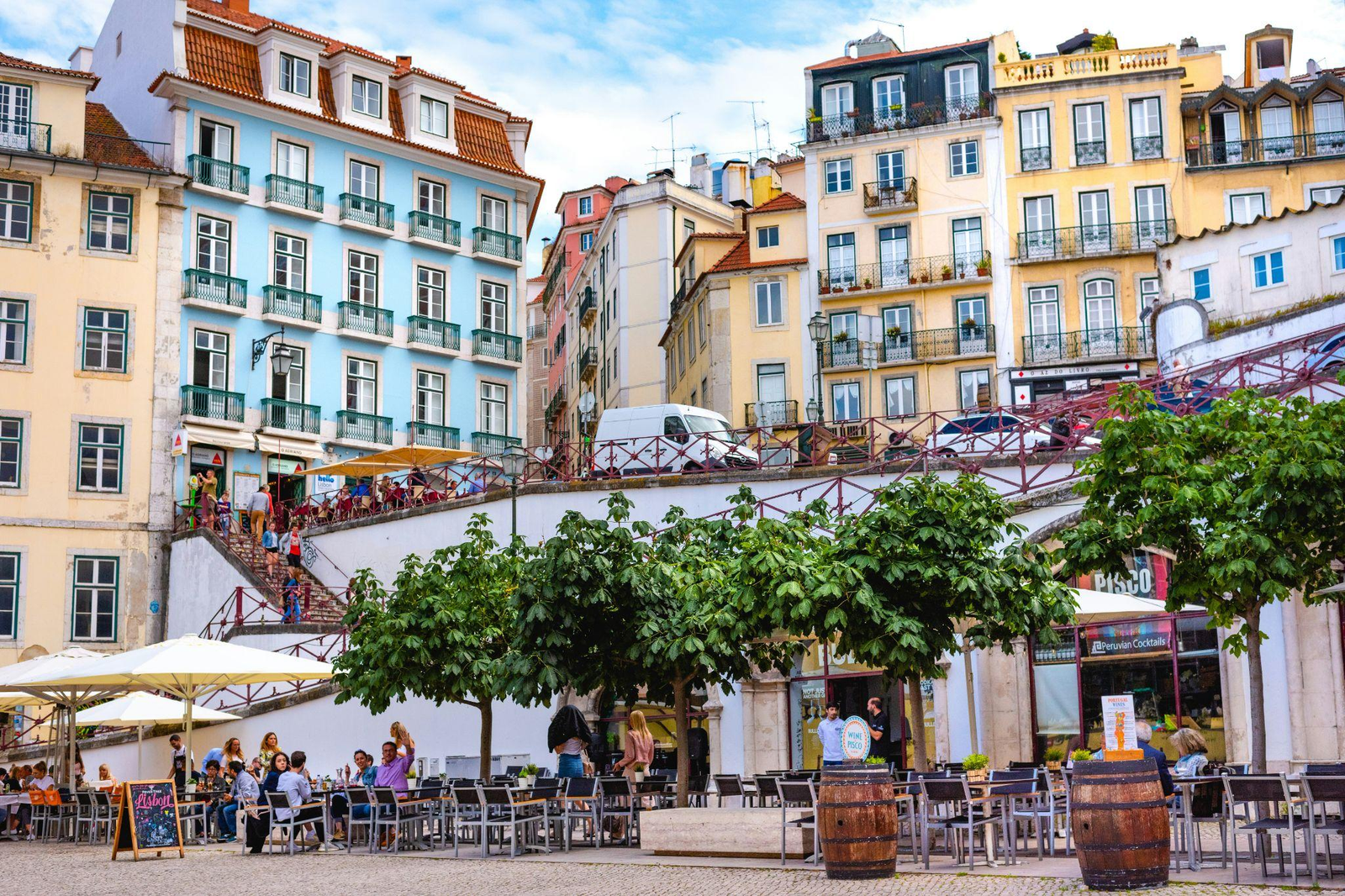
The biggest differences between Portugal and the United States are found in everyday life. It’s the morning coffee at a neighborhood café, evenings spent in a public square, conversations with shop owners who know your name, and weekends built around family and friends. These small routines shape daily life and are often what Americans remember most after moving to Portugal.
A Different Rhythm
Life in Portugal generally feels less hurried than in the United States. People place a high value on relationships, leisure, and making time for family. Meals are enjoyed rather than rushed, cafés are places to meet friends, and weekends often revolve around community, outdoor activities, and family gatherings.
Many newcomers discover that the slower rhythm encourages a healthier balance between work and personal life.
Community and Everyday Living
Portuguese communities tend to be centered around neighborhoods rather than shopping malls or highways.
Local cafés, bakeries, markets, and public squares become part of daily life, making it easier to build routines and get to know the people around you.
Many Americans find this stronger sense of community to be one of the most rewarding aspects of living in Portugal.
Feeling Safe
Portugal is consistently regarded as one of Europe’s safest countries.
While no country is completely free from crime, many residents feel comfortable walking through their neighborhoods, using public transportation, and enjoying outdoor cafés well into the evening.
For many Americans, this added sense of security has a positive impact on their overall quality of life.
Learning the Language
Although English is widely spoken in tourist areas and many larger cities, learning Portuguese makes everyday life easier and helps you integrate into the local community.
Even basic language skills are appreciated and can make shopping, banking, and social interactions more enjoyable.
Walkable Living
One of the biggest lifestyle changes for many Americans is how much more they walk. In cities such as Lisbon and Porto, many daily errands can be completed on foot or by using public transportation.
Outside the larger cities, owning a car becomes more practical, but many newcomers still find themselves spending less time driving than they did in the United States.
Many newcomers also find that walking more becomes a natural part of daily life, contributing to a healthier and more active lifestyle.
Common Surprises for Americans
Many Americans are surprised by some of the everyday differences after moving to Portugal:
- Apartments are generally smaller than in the United States.
- Homes often have less insulation and limited central heating.
- Dinner is usually served later in the evening.
- Stores may have shorter Sunday hours or close on public holidays.
- Tipping is appreciated but much lower than in the United States.
- People spend more time outdoors in cafés, parks, and public spaces.
- Bureaucracy often requires more patience than expected.
- Appointments may move at a different pace, and customer service may feel less hurried than many Americans are used to.
These differences may take some getting used to, but they soon become part of everyday life.
Portugal: Advantages and Considerations
Advantages
- Lower everyday living costs
- Affordable healthcare
- Strong work-life balance
- Mild climate
- Excellent public transportation
- Safe communities
- Easy travel throughout Europe
- Relaxed lifestyle
Things to Consider
- Lower local salaries
- Smaller homes
- Slower bureaucracy
- Learning Portuguese improves daily life
- Competitive housing markets in popular areas
- Fewer career opportunities in some industries
Is Portugal Right for You?
Moving to another country is one of life’s biggest decisions, and there’s no single answer that’s right for everyone.
Throughout this guide, we’ve compared Portugal and the United States in terms of cost of living, housing, healthcare, work, education, and everyday life. By now, you’ve probably seen that neither country is objectively better; they simply offer different advantages.
Portugal May Be the Right Choice If You:
- Value a slower, less stressful pace of life.
- Want more time for family, hobbies, and travel.
- Appreciate affordable healthcare and lower everyday expenses.
- Enjoy walkable communities, cafés, local markets, and outdoor living.
- Plan to work remotely, receive retirement income, or earn in U.S. dollars.
- Are open to learning Portuguese and embracing a different culture.
Portugal May Not Be the Best Fit If You:
- Need a high local salary or rapid career
- Prefer larger homes with more indoor space.
- Expect fast customer service and highly digital government services.
- Become easily frustrated by paperwork or slower administrative processes.
- Want to live entirely in English without learning Portuguese.
- Place greater value on convenience and consumer choice than on a slower, community-focused lifestyle.
Final Thoughts
Portugal isn’t for everyone, and that’s perfectly normal. Every move involves trade-offs. What matters most is choosing the country that best supports the lifestyle, financial goals, and future you want to create.
If you’re considering relocating, spend time in different regions, experience everyday life beyond the tourist areas, and speak with both locals and other expats. The more informed your decision, the more confident you’ll feel.
Whether Portugal becomes your new home or simply inspires your search for a different lifestyle, making an informed decision is the best first step. We hope this guide has given you the knowledge and confidence to take that next step with clarity.
CATEGORIES
FREE CONSULTATION
Talk to a D7 expert
Book a 20-minute call and we’ll map your eligibility — in plain English, no obligation.
SHARE THIS GUIDE
STILL HAVE QUESTIONS?
Every relocation journey is unique. If you’d like to discuss your specific situation, we’re here to help.
ABOUT THE AUTHOR
Luiza Carneiro is a relocation educator, consultant, and communication professional dedicated to helping individuals and families make informed decisions about relocating to Portugal.
Having experienced international relocation firsthand, Luiza understands both the opportunities and the challenges of building a new life abroad. She combines practical research, cross-cultural insight, and real-world experience to guide people through every stage of the relocation journey, from deciding whether Portugal is the right fit to successfully settling into their new community.
Through her work with Relocate360, Luiza develops educational resources and practical guides that help people relocate with clarity, confidence, and realistic expectations.
ABOUT RELOCATE360
Relocate360 exists to help individuals and families navigate the relocation journey with clarity and confidence.
Through our Education Hub, practical guides, and personalized consultations, we provide the knowledge and support you need, from deciding whether to move to successfully settling into life in Portugal.
Wherever your relocation journey takes you, we hope this guide has helped you make your decision with confidence.
Learn more: www.relocate360.us
Disclaimer
Immigration laws, visa requirements, taxes, healthcare regulations, and relocation costs may change over time. This guide is for educational purposes only and should not be considered legal, financial, or immigration advice. Always consult official government sources and qualified professionals before making important decisions.
KEEP READING
Continue Reading

Home » Education Hub » Is Moving Still Worth It for Americans? Portugal’s New 10-Year
Home » Education Hub » A Step-by-Step Relocation Guide Move Moving to Portugal: A Step-by-Step
Home » Education Hub » Anxiety About Moving Abroad Decide Anxiety About Moving Abroad: What’s